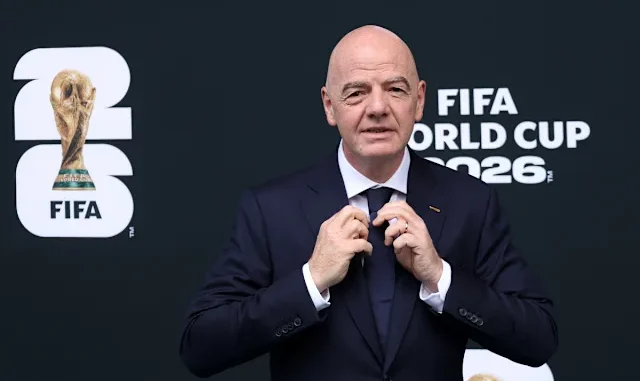
Fierce debate has erupted across the football world following comments attributed to Gianni Infantino, who has come under heavy criticism after appearing to mock Italy national football team over their failure to qualify for the 2026 FIFA World Cup.
The remarks, which quickly circulated across media platforms and social networks, have sparked widespread backlash from fans, pundits, and former players, many of whom считают the tone inappropriate given Italy’s historic status in world football.
Italy’s absence from the upcoming tournament already represents a major talking point in global football, marking another painful chapter in a recent pattern of qualification struggles for the four-time World Cup winners. The disappointment has been deeply felt among supporters, with calls for structural review and long-term rebuilding plans intensifying in the aftermath.
However, the situation escalated further after Infantino’s comments were interpreted by many as dismissive of Italy’s footballing legacy. Critics argue that public figures in leadership positions within the sport should maintain neutrality and respect, especially when discussing nations with such a rich competitive history.
Reactions were swift. Social media platforms were flooded with criticism, with fans accusing football’s governing voices of lacking sensitivity and undermining the emotional weight of national team failures. Several analysts also weighed in, suggesting that such remarks risk deepening tensions at a time when the sport is attempting to promote unity and global inclusivity.
Former players and commentators have also entered the debate, stressing that Italy’s struggles should be treated as a serious sporting concern rather than a subject for public ridicule. Many pointed out that qualification campaigns are long and complex, and missing out on a World Cup reflects deeper issues that require reflection rather than commentary perceived as mockery.
Despite the backlash, no formal clarification or apology has yet been issued, leaving the controversy to grow as discussions continue across the football community. The incident has now become part of a wider conversation about leadership communication and accountability in global football governance.
For Italy, attention now shifts toward rebuilding and preparing for future competitions, with a renewed focus on youth development and tactical restructuring. For football authorities, however, the episode raises questions about tone, timing, and the responsibility that comes with speaking on the world stage.
As the debate continues to unfold, one thing is clear: what should have been a discussion about qualification disappointment has now evolved into a broader controversy about respect, leadership, and the global image of the game.
Leave a Reply