Roy Keane ‘Threatens Extreme Action’ After VAR Intervenes in Controversial Igor Jesus Disallowed Goal

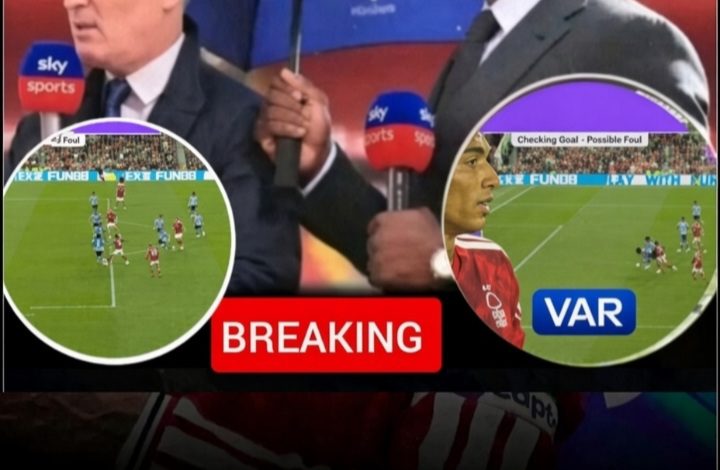
The City Ground was left stunned, angry and once again questioning the integrity of the decision-making process that continues to shape Premier League matches. Nottingham Forest thought they had salvaged a point against Coventry City when substitute Igor Jesus forced the ball home late in the second half. The celebrations were cut short. VAR intervened. The goal was disallowed. Forest lost 1-0. And the sense of injustice that has been building around the club for weeks erupted once more.
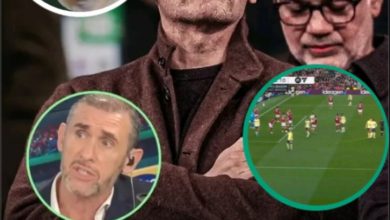
In the aftermath, Roy Keane did not hold back. The former Manchester United captain, never one to soft-pedal his opinions, delivered a furious assessment of the decision and the wider pattern of refereeing and VAR calls that Forest supporters believe are repeatedly going against them. His words, particularly the suggestion that extreme action may eventually be required if standards do not improve, have spread rapidly among the fanbase.
“I’ve seen the challenge again and again,” Keane said. “It’s not a clear and obvious error. The boy is competing. There’s contact, yes, but if that’s enough to disallow a goal in the 86th minute of a Premier League match then we might as well stop allowing any contact in the box. Forest have had enough of these. Something has to change.”
Keane went further.
“At some point clubs and supporters are going to demand extreme action because this cannot keep happening. You can’t have major moments decided by the finest of margins when the same standards are not being applied consistently. Forest will feel robbed, and they have every right to. The game was there for a point and it was taken away from them by a decision that does not stand up to scrutiny.”
Those comments have been seized upon by Nottingham Forest supporters who have grown increasingly frustrated by a series of tight calls that have gone against their side this season. The disallowed Jesus goal is only the latest in what many feel is a pattern. Previous matches have left similar feelings of grievance, and the cumulative effect is a fanbase that no longer trusts the process.
Micah Richards, alongside Keane in the studio, offered support for the broader point even if he stopped short of matching the intensity of the language.
“Roy is right that the consistency isn’t there,” Richards said. “That’s the biggest problem. One week a soft foul is given, the next week it’s ignored. Players don’t know what they’re allowed to do anymore. Fans certainly don’t. When a goal is disallowed late on for something that looks fifty-fifty at best, people are entitled to be angry.”
For Forest, the result itself was difficult to accept. Coventry arrived at the City Ground still searching for their first Premier League win of the season and left with three points thanks to Jay Dasilva’s second-half strike. The visitors defended resolutely and took their opportunity when it came. Few neutral observers would claim they did not earn the right to victory on the balance of play. But the manner in which the contest ended has overshadowed everything else.
Igor Jesus, introduced to provide a focal point in the closing stages, did exactly what was asked of him. He attacked the ball, forced the issue, and believed he had scored. The on-field officials initially allowed the goal. Only after the lengthy VAR check was the decision overturned. From the stands, and from the Forest bench, the contact on Caleb Yirenkyi looked minimal. Many inside the ground were convinced the goal should have stood.
That sense of injustice has been building for some time. Forest supporters point to previous matches in which similar incidents were either punished or ignored depending on the direction of the attack. The lack of a consistent threshold for intervention is what drives the anger. When the same challenge is a foul in one game and a soft decision in another, trust evaporates.
Keane’s willingness to articulate that frustration in strong terms has been welcomed by a large section of the Forest support. In an age when many pundits prefer carefully measured language, the Irishman’s refusal to dilute his opinion has struck a chord. His suggestion that “extreme action” may eventually be required if the situation does not improve has been interpreted by some as a call for clubs to take a more confrontational stance with the authorities, whether through formal complaints, public pressure or collective action.
Of course, not everyone will agree with the intensity of the language. There will be those who argue that VAR is simply applying the laws as written and that contact in the build-up to a goal must be examined. There will be others who point out that Coventry also had to accept difficult decisions during the match. But for Forest fans who have watched their side denied late goals more than once this season, Keane’s comments feel like validation.
The wider issue is one of confidence in the system. Premier League clubs invest heavily in players, staff and infrastructure. Supporters invest time, money and emotion. When the outcome of matches is repeatedly influenced by subjective interpretations of marginal contact, the product suffers. The technology was introduced to correct clear and obvious errors. Too often it appears to be used to re-referee moments that were never clear or obvious in the first place.
Forest’s players will be told to focus on the next fixture and to control the controllables. That is the professional response. But it would be unrealistic to expect the dressing room to be entirely unaffected. Players talk. They watch the same replays as everyone else. When they feel decisions are going against them consistently, it chips away at belief.
For the supporters, the anger is more immediate and more vocal. Social media filled quickly with clips of the incident, comparisons to previous decisions, and praise for Keane’s refusal to sit on the fence. Many have called for the club to issue a formal statement or to lodge a complaint with the authorities. Whether that happens remains to be seen. What is already clear is that the tolerance for these moments is wearing thin.
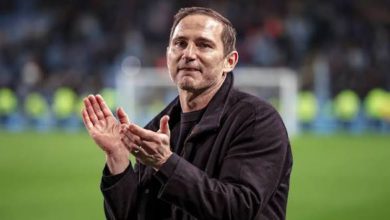
Coventry will care little for the debate. They came to the City Ground, defended with discipline, took their chance through Dasilva, and left with a landmark victory — their first in the Premier League for 25 years. Frank Lampard’s side deserved credit for the organisation and resilience they showed. The result will give them belief as they continue their fight to establish themselves in the top flight.
For Nottingham Forest, the afternoon will be remembered for what might have been. A point would have felt like a fair reflection of a competitive contest. Instead, they leave empty-handed and with another grievance to add to the list. Roy Keane has given voice to that grievance in the strongest possible terms. His warning that extreme action may eventually be required if standards do not improve will linger long after the final whistle.
The Premier League has a responsibility to ensure that the decision-making process commands the confidence of players, managers and supporters alike. Right now, large sections of the Nottingham Forest fanbase do not have that confidence. Until the consistency improves, afternoons like this will continue to generate anger, debate and demands for change.
Keane has drawn a line. The question now is whether anyone in authority is prepared to listen.