Nottingham Forest Issue Extraordinary Public Complaint as Oliver Glasner ‘Goes Ballistic’ Over Refereeing vs Coventry City

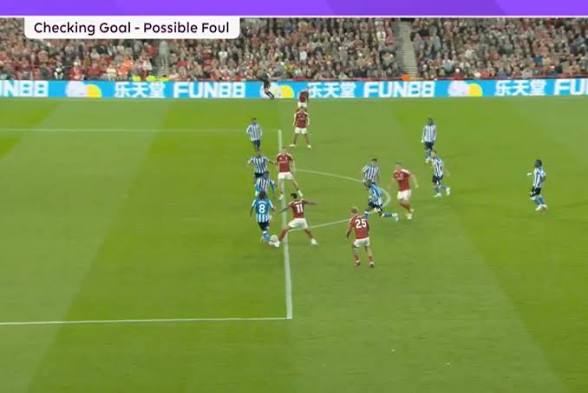
Nottingham Forest have finally had enough. After another home match decided by a late VAR intervention that left the City Ground furious, the club has taken the unusual step of issuing a strongly worded public complaint about the standard of refereeing and the application of video technology. At the centre of the storm is manager Oliver Glasner, who is understood to have reacted with visible anger in the aftermath of the 1-0 defeat to Coventry City and the disallowing of Igor Jesus’s late equaliser.
The decision to speak out publicly is significant. Premier League clubs rarely put their frustration on record in such direct terms. That Forest have chosen to do so now reflects the depth of feeling inside the club and among the supporters who watched another major moment go against them.
In their official statement, Forest made their position clear.
“We are deeply concerned by the standard of decision-making that continues to impact matches involving our club,” the club said. “The disallowing of Igor Jesus’s goal was not a clear and obvious error. The contact was minimal and the threshold for intervention was not met.”
The club continued: “This is not an isolated incident. We have raised similar concerns previously and have seen no meaningful improvement. Our patience has been tested repeatedly and we can no longer remain silent when points are being decided by subjective interpretations that lack consistency.”
A third section of the statement left little room for ambiguity.
“We have formally written to the relevant authorities to demand a full explanation and a review of the protocols currently in place. The integrity of the competition depends on decisions that can be explained and defended. At present, too many cannot.”
The incident itself has been replayed endlessly. With Forest pushing for a point in the closing stages, Jesus forced the ball home. The celebrations began. Then the familiar pause. VAR checked the build-up. The goal was ruled out for a foul on Caleb Yirenkyi. Coventry held on for a landmark victory — their first in the Premier League for 25 years — and Forest were left empty-handed once again.
From the stands, the contact looked minimal. Many inside the ground were convinced the goal should have stood. On the Forest bench, the reaction was immediate and raw. Glasner, usually measured in public, is said to have made his feelings clear both to the officials and in the privacy of the dressing room. Those who witnessed his response describe a manager who felt his side had been denied a deserved opportunity to take something from the match.
Supporters have responded with a mixture of relief and renewed frustration. Relief that the club is finally matching their anger with action. Frustration that it has taken another costly decision for the hierarchy to put its head above the parapet. Across fan forums and social media, the overwhelming view is that Glasner and the club are right to speak out. Many feel Forest have been on the wrong end of too many tight calls this season, and that silence was no longer an option.
“We have been patient,” one long-standing supporter wrote. “We have watched decisions go against us and said nothing. This time it has cost us points in a match we were still in. The club is right to complain. Something has to change.”
The wider issue is one of consistency. Players and managers across the Premier League have complained for years that the application of VAR lacks a clear and reliable threshold. What is a foul in one match is waved away in another. What is a clear and obvious error one week is ignored the next. For a side like Forest, still building under Glasner and fighting to establish themselves in the top half of the table, those margins matter.
Glasner’s reported reaction has only intensified the focus. The Austrian is not known for public outbursts. When he does show anger, it tends to carry weight. Those close to the club suggest his frustration was not simply about one decision but about the cumulative effect of similar moments. The sense inside the dressing room is that Forest are having to overcome not only their opponents but also the uncertainty of how key incidents will be interpreted.
Coventry, for their part, will care little for the debate. They came to the City Ground, defended with organisation, took their chance through Jay Dasilva, and left with three points. Frank Lampard’s side deserved credit for their resilience. The result will give them belief. But the manner of the victory has been overshadowed by the controversy that followed.
For Forest supporters, the afternoon will be remembered for what was taken away. A point would have felt like a fair reflection of a competitive contest. Instead, they leave with nothing and with another grievance to add to the list. The club’s decision to issue a public complaint, complete with the clear statements above, is an attempt to ensure that grievance is not simply absorbed and forgotten.
Whether the complaint leads to any meaningful response from the authorities remains to be seen. The Premier League and its refereeing body have heard similar protests before. Statements are issued, reviews are promised, and the next matchday brings a fresh set of arguments. What feels different this time is the willingness of a club to put its frustration on record in such clear and specific terms.
Glasner’s anger has given the protest a human face. Managers are paid to accept decisions and move on. When one of them reaches the point of going ballistic, it usually means the pressure has been building for some time. Forest fans recognise that pressure. They have felt it in the stands. Now they see it reflected in the reaction of their manager and the club’s public stance.
The demand from the supporters is simple. They want consistency. They want decisions that can be explained and defended. They want a system that does not leave them feeling that the big moments are decided by the finest of subjective margins. Until that happens, afternoons like this will continue to generate anger and calls for change.
Nottingham Forest have drawn a line. Oliver Glasner has made his feelings clear. The club has chosen to speak in unambiguous language. The question now is whether the people responsible for the standard of officiating are prepared to listen. For a fanbase that has watched too many points slip away in controversial circumstances, patience is running out.